Review: Believe John 14 1 Bible Embroidery Design
As a designer who has spent countless hours digitizing and testing machine embroidery design files, I approach every new pattern with a critical eye. It is not just about whether the image looks pretty on a screen; it is about how that digital embroidery file translates into thread on fabric. Recently, I evaluated the Believe John 14 1 Bible Embroidery design for a potential client project, and I want to share my practical insights for fellow crafters, Etsy sellers, and handmade shop owners.
First Impressions and Visual Personality
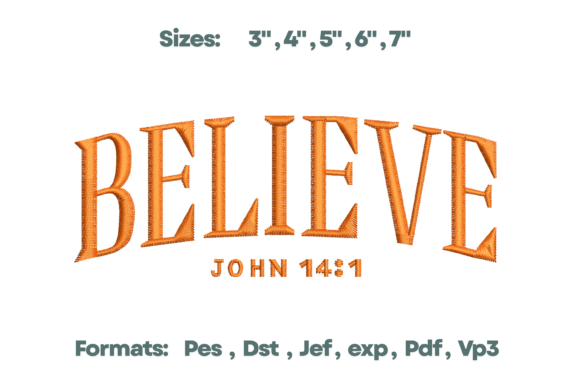
The moment I opened the preview for the Believe John 14 1 Bible Embroidery design, the mood was immediately clear. It exudes a sense of calm stability and unwavering faith. The layout features a classic arch structure, which is a timeless choice for religious and inspirational themes. This architectural element frames the text beautifully, drawing the eye inward while providing a balanced silhouette that works well on various garment types.
The lettering appears sharp and professional in the preview, suggesting meticulous digitization. For those of us in the craft business, we know that poor lettering can ruin an otherwise beautiful piece. The clean lines here promise high readability, which is crucial when the message itself is the focal point. This is not just a decorative accent; it is a statement piece rooted in Religion Faith traditions, designed to resonate with buyers looking for meaningful, personalized items.
Real-World Application: The Custom Tote Test
To truly understand the value of this embroidery file, I imagined it applied to a real-life scenario. I pictured a sturdy, natural cotton canvas tote bag—a popular item for boutique branding and everyday use. The arched shape of the Believe John 14 1 Bible Embroidery design fits naturally over the chest area or centered on the bag’s front panel.
In this context, the design serves as both a functional identifier and a spiritual reminder. For an Etsy seller, this kind of versatility is gold. It allows you to market the same design assets across multiple product lines. Imagine this same pattern on a soft fleece sweatshirt for winter comfort, or as a subtle detail on a nursery pillow cover. The classic aesthetic ensures it does not feel trendy or dated, making it a safe bet for long-term inventory.
Stitching Performance and Technical Considerations
When evaluating any commercial embroidery asset, we must look beyond the surface. How does the design handle stitch density? While the preview suggests high quality, the reality of stitching depends on your machine and materials. The sharp lettering implies the use of satin stitch columns for the text, which provides a glossy, raised finish that catches the light beautifully. However, satin stitches can be tricky on textured fabrics.
If you are planning to use this on a rough linen or a heavy towel, ensure your stabilizer choice is robust. A cut-away stabilizer might be necessary to prevent puckering, especially if the arch contains dense fill areas. For smoother fabrics like jersey or polished cotton, a tear-away may suffice, but always test first. The transition between the text and the arch likely involves fill stitch regions. Check these areas for potential thread breaks or nesting if your machine tension is not perfectly calibrated.
One critical note for apparel decorators: be mindful of the hoop size required. Arched designs can sometimes be wider than they are tall. Confirm that your hoop can accommodate the full width without distorting the fabric edges. If you are working on a curved surface like a cap, you may need to adjust the placement carefully to ensure the arch does not warp visually due to the curvature.
Fabric and Color Strategy
The success of the Believe John 14 1 Bible Embroidery design heavily relies on contrast. On dark fabrics, such as navy or black sweatshirts, you will need bright, high-visibility thread colors. White, gold, or silver threads can create a striking, elegant look that enhances the spiritual tone. Conversely, on light pastels often used for baby embroidery or spring collections, deeper tones like burgundy, forest green, or slate blue will ensure the text remains legible.
Avoid using low-contrast combinations, such as light gray on white, as the fine details of the lettering may get lost. Always run a test stitch on scrap fabric of the same weight and texture as your final product. This step is non-negotiable for maintaining professionalism in your small shop product lineup. It helps you identify any issues with running stitch underlays or jump stitches before committing to expensive garments.
Commercial Viability and Customer Trust
For creative entrepreneurs, the perceived value of a handmade product is tied to its execution. A cleanly stitched Believe John 14 1 Bible Embroidery design signals quality and care. It builds customer trust because the message is delivered with clarity and respect. In the niche of faith-based goods, authenticity matters. A sloppy stitch job can detract from the solemnity of the verse, whereas a crisp, well-executed design elevates the item to a cherished keepsake.
This design is particularly effective for holiday embroidery projects, such as Easter gifts or Christmas ornaments, where themes of belief and hope are central. It also works well for personalized gift occasions like baptisms, confirmations, or weddings. By offering this design on various items—from embroidered patch applications to aprons—you cater to a wide audience seeking meaningful decor and apparel.
Practical Designer Notes
Before integrating this embroidery project into your workflow, keep these practical tips in mind:
- Check Licensing: Always confirm the license terms provided with the digital embroidery file. Ensure you have the right to sell finished items or if it is for personal use only.
- Test on Textures: If using on terry cloth or fleece, consider using a topping to prevent the stitches from sinking into the pile.
- Mockup Verification: Create printable mockups in both black and white to check for visual balance and readability before stitching.
- Detail Inspection: Zoom in on the digitized file to check for unnecessary jumps or complex turns that might cause thread breaks.
- Wash Testing: For items like kitchen towels or baby clothes, wash the test sample to ensure the threads do not bleed or shrink disproportionately to the fabric.
The Believe John 14 1 Bible Embroidery design offers a solid foundation for creating impactful, faith-inspired products. With careful attention to fabric choice, stabilizer selection, and thread contrast, it can become a staple in your design assets library. Whether you are decorating a simple tote or crafting a heirloom-quality blanket, this pattern delivers the professional finish your customers expect. Treat it with the technical respect it deserves, and it will serve your craft business well.