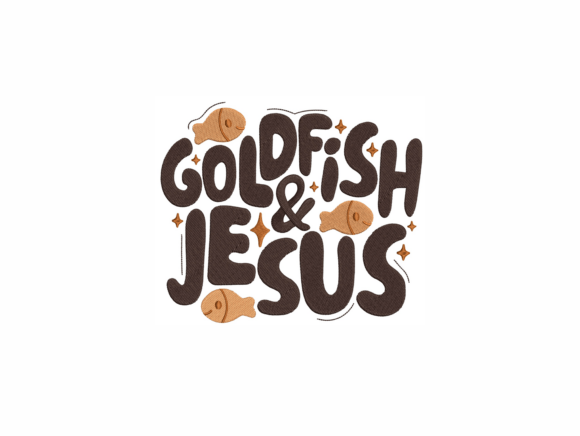
Review: Goldfish and Jesus Machine Embroidery for Merch
As an embroidery designer who has spent years digitizing files for small businesses, I approach every new machine embroidery design with a critical eye. It is not just about whether the image looks cute on a screen; it is about how that digital embroidery file translates into a tangible, durable product that represents a brand. Recently, I evaluated the Goldfish and Jesus Machine Embroidery design, and it presents a fascinating case study for modern branded merchandise. This piece blends playful coquette aesthetics with Christian-inspired artwork, creating a unique visual language that stands out in the crowded world of custom apparel.
First Impressions and Visual Personality
The immediate impression of this design is one of approachable whimsy. The combination of a goldfish and religious iconography might seem unconventional, but in the current market, this juxtaposition is exactly what drives engagement. The description highlights "playful typography" and "aesthetic Christian-inspired artwork," which suggests a soft, friendly vibe rather than a rigid or traditional one. For a business owner, this means the design feels handmade and personal, even when produced at scale.
When reviewing the visual elements, I look for balance. Does the typography overwhelm the graphic? Is the line work clean enough to hold up under thread tension? This design appears to lean into the trendy coquette style, which often utilizes softer lines and charming details. For brands in the lifestyle, boutique, or creative studio sectors, this aesthetic signals that they are current, culturally aware, and willing to embrace humor and warmth in their branding.
Real-World Applications for Small Business Merch
The true test of any embroidery file is its versatility across different products. Here is how I see this design performing in real commercial embroidery scenarios:
- Branded Patches: This is perhaps the strongest use case. An embroidered patch allows customers to buy the design as a standalone accessory. It can be ironed onto denim jackets, backpacks, or hats. The distinct shapes of the goldfish and the figure make for a recognizable silhouette that works well in patch form.
- Staff Uniforms and Aprons: Imagine a local café or a boutique bakery using this on their staff apron embroidery. It adds a layer of personality to the uniform without being overly corporate. It signals to customers that the staff is friendly and the establishment has a unique character.
- Tote Bags and Canvas Goods: As a tote bag design, this artwork shines. Canvas provides a stable surface for the stitches, and the playful nature of the design encourages everyday use. It turns a simple bag into a conversation starter.
- Cap Embroidery: Placing this on the front or side of a cap requires careful scaling. If the design includes fine details in the typography, it must be simplified for the curved surface of a hat. However, as a side-panel accent, it could offer a subtle nod to the brand’s values.
- Hoodies and Sweatshirts: The description mentions these items specifically. A left-chest placement works best here, keeping the design intimate and wearable. It avoids the "billboard" look and instead feels like a personal statement.
Technical Considerations for Production
While the aesthetic is strong, technical execution is where many designs fail. Before running this on your machine for a client order, there are several critical factors to evaluate. Since the specific stitch count and file formats are not detailed in the brief description, you must verify these details with the seller before purchase.
Stitch Density and Fabric Texture: Playful designs often rely on smooth fills. If the stitch density is too high, it can cause puckering on lighter fabrics like t-shirts or tote bags. Always test on a scrap piece of the actual fabric you intend to use. For textured materials like fleece hoodies, ensure the underlay stitches are sufficient to prevent the design from sinking into the nap.
Typography Legibility: The "playful typography" mentioned is a potential risk area. Small, cursive, or intricate fonts can become illegible if scaled down too far. If you are creating a small patch or a pocket logo, check if the text remains readable. You may need to adjust the size or simplify the font in your digitizing software if the original file does not allow for easy editing.
Thread Colors and Contrast: This design likely relies on specific color palettes to achieve its "aesthetic" look. Test it in black and white first. If the design loses its definition without color, it may not be suitable for single-color uniforms or cost-effective promotional items. Ensure there is enough contrast between the goldfish, the figure, and the background fabric.
Impact on Brand Identity and Customer Trust
Using a distinctive design like Goldfish and Jesus Machine Embroidery can significantly enhance brand identity. In a market saturated with generic logos, this type of artwork helps a business stand out. It suggests that the brand is thoughtful, creative, and connected to cultural trends. For handmade brands and Etsy sellers, this aligns perfectly with the expectation of unique, curated goods.
Furthermore, consistency is key. If this design is used across multiple touchpoints—such as on packaging, social media graphics, and physical products—it builds recognition. Customers begin to associate the playful, faith-inspired aesthetic with your specific business. This emotional connection can increase customer loyalty and perceived value of the finished product.
Practical Designer Notes for Implementation
- Check Licensing: Before using this for small business merch, confirm the commercial license terms. Ensure you are allowed to sell physical items made with this file.
- Create a Printable Mockup: Use design software to place the embroidery artwork on photos of your actual products. This helps clients visualize the final result and reduces approval time.
- Test Hoop Size Compatibility: Verify that the design fits within your standard hoop sizes. If it requires a large hoop, it may limit your production efficiency for smaller items like caps or patches.
- Use Proper Stabilizer: Given the potentially mixed elements of text and graphics, use a cut-away stabilizer for stretchy fabrics and tear-away for stable woven materials to maintain shape integrity.
- Evaluate Wash Durability: Run a wash test on your sample. Check for thread breakage or fabric distortion. This is crucial for items like aprons and work shirts that undergo frequent laundering.
In conclusion, the Goldfish and Jesus Machine Embroidery design offers a compelling option for businesses looking to inject personality into their merchandise. It bridges the gap between faith-based expression and modern, trendy aesthetics. However, success lies in the technical execution. By carefully considering fabric choice, stitch density, and placement, you can transform this digital asset into a high-quality physical product that enhances your brand’s reputation. Always prioritize testing and verification to ensure that your custom apparel and accessories meet the professional standards your customers expect.