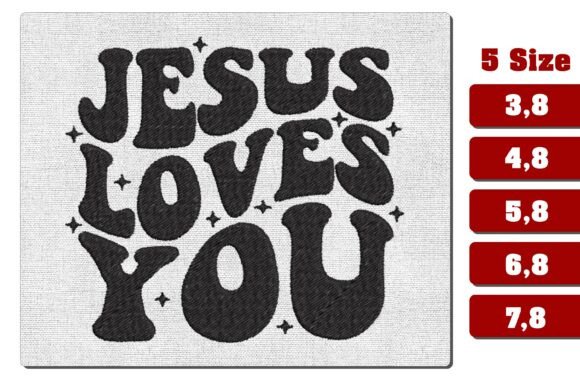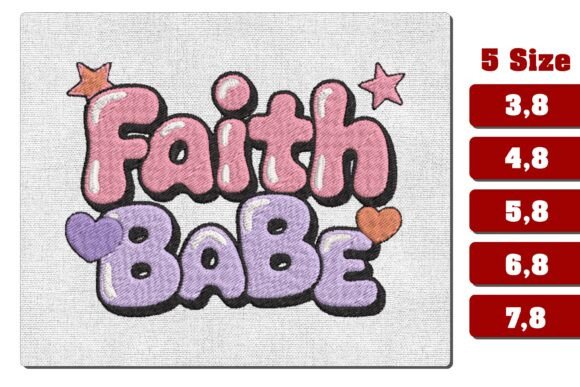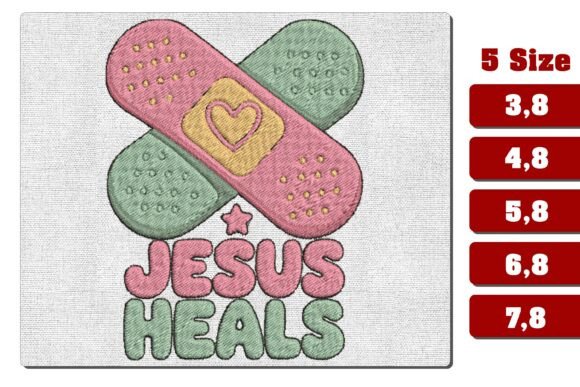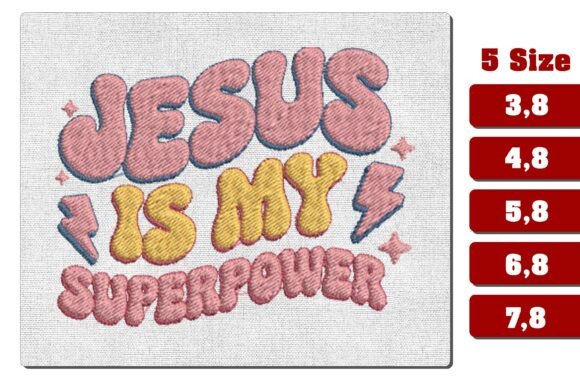
Review: Jesus Christian Embroidery Design PES
As an embroidery designer who has spent years digitizing files for small businesses, I approach every new machine embroidery design with a critical eye. It is not just about whether the image looks pretty on a screen; it is about how that digital embroidery file translates into a tangible, durable asset for a brand. Recently, I evaluated the Jesus Christian Embroidery Design PES, and while it sits under the Thanksgiving category, its utility extends far beyond seasonal decor. For boutique owners, faith-based apparel brands, and handmade product creators, this design offers a unique opportunity to blend spiritual messaging with professional merchandise.
First Impressions and Visual Personality
The first thing I look for in a design intended for commercial use is its visual personality. Does it feel premium? Is it too busy? The Jesus Christian Embroidery Design PES presents a classic, reverent aesthetic. It does not scream for attention with neon colors or chaotic lines; instead, it offers a sense of calm and tradition. This makes it highly suitable for brands that want to project trust, warmth, and community values.
For a small business owner, this visual tone is crucial. If you are running a bakery, a floral shop, or a creative studio that values wholesome, family-friendly vibes, this design aligns perfectly with that brand identity. It feels handmade yet polished, which is the sweet spot for Etsy sellers and crafters who want their products to look professional without losing that personal touch.
Versatility Across Business Merchandise
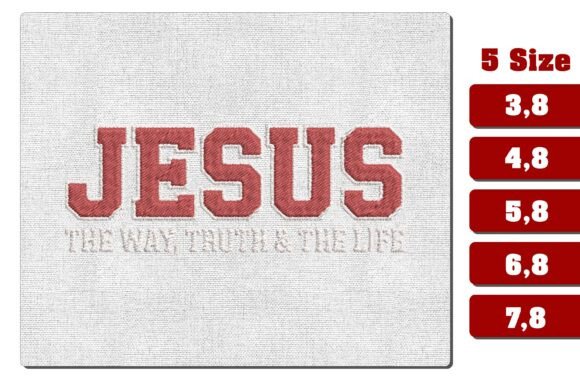
The true test of any embroidery asset is its versatility. The product description notes that this embroidery file comes in multiple sizes: 3.8 in, 4.8 in, 5.8 in, 6.8 in, and 7.8 in. This range is significant for small business merch. Let us break down how these sizes perform in real-world applications.
- Embroidered Patches: The smaller sizes, such as 3.8 inches, are ideal for iron-on or sew-on patches. These can be sold as standalone items or added to denim jackets and backpacks. A well-digitized patch adds perceived value to a garment, allowing customers to customize their own gear.
- Cap Embroidery: The 3.8-inch and 4.8-inch options fit well on the front panel of a standard baseball cap. Faith-based headwear is a consistent seller, and having a design that scales correctly without distorting is essential for maintaining a clean look on curved surfaces.
- Apron Embroidery: For cafes, bakeries, or florists, branded aprons are a walking advertisement. The mid-range sizes work beautifully on the chest pocket or the upper back of an apron, reinforcing your business’s values while staff work.
- Tote Bag Design: The larger sizes, up to 7.8 inches, are perfect for canvas tote bags. This is a popular item for church bookstores, gift shops, and event merch. The design stands out clearly against natural cotton or canvas fabrics.
Technical Considerations for Production
While the aesthetic is strong, we must discuss the technical execution. As a designer, I always advise testing a new file before committing to a large production run. Here are specific notes for using the Jesus Christian Embroidery Design PES effectively.
Stitch Density and Fabric Texture: Religious imagery often involves fine details. You must check the stitch density on your specific machine. If the density is too high for lightweight fabrics like thin cotton tees, you may experience puckering. Always use a proper stabilizer—cut-away for stretchy fabrics and tear-away for stable woven materials like twill or canvas.
Thread Colors and Contrast: Test the design in black and white first. This helps you see if the outlines are distinct enough without relying on color shading. For dark uniforms or navy caps, ensure you have high-contrast thread colors ready. A lack of contrast can make the design disappear from a distance, reducing its effectiveness as a branding tool.
Hoop Size Constraints: Although the design goes up to 7.8 inches, confirm your machine’s maximum hoop size. If you are using a standard 5x7 hoop, you will need to use the smaller versions of the file. Never try to force a design into a hoop that is too small, as this leads to misalignment and wasted materials.
Strategic Branding and Customer Trust
Why choose this specific design over a generic clipart image? Because a professionally digitized machine embroidery design signals quality. When a customer sees clean stitches, proper spacing, and no thread breaks, they subconsciously associate that quality with your entire business. This builds customer trust and recognition.
For handmade brands, incorporating this design into your product line can enhance buyer engagement. It tells a story. Whether it is used on a custom apparel piece for a church retreat or as a subtle accent on a boutique’s packaging, it creates an emotional connection. In the context of Thanksgiving, this design can be part of a gratitude-themed collection, offering a meaningful alternative to secular holiday motifs.
Where to Use Caution
Not every application is suitable. Avoid using the largest size on small items like baby bibs or narrow hat brims, as the design will overwhelm the space. Also, be cautious with highly textured fabrics like thick wool or terry cloth unless you have experience with topping stabilizers. Fine details can get lost in the pile of the fabric.
Additionally, if you are creating items that require frequent industrial washing, such as restaurant uniforms, ensure the thread type is polyester rather than rayon for better durability. The design itself is robust, but the material choice dictates longevity.
Final Designer Notes
Before you launch your next campaign with the Jesus Christian Embroidery Design PES, take these practical steps:
- Create a printable mockup to show clients or visualize the placement on different garments.
- Compare it beside other design assets in your library to ensure visual consistency across your product line.
- Confirm commercial licensing. While many files allow for small business use, always read the specific terms provided by the creator to avoid legal issues.
- Test on scrap fabric identical to your final product. This is the only way to truly judge tension and coverage.
In conclusion, this design is a versatile addition to any embroidery professional’s toolkit. It bridges the gap between traditional faith-based imagery and modern commercial embroidery needs. By paying attention to scale, stabilizer choice, and thread contrast, you can create high-value finished product items that resonate with your audience and elevate your brand.