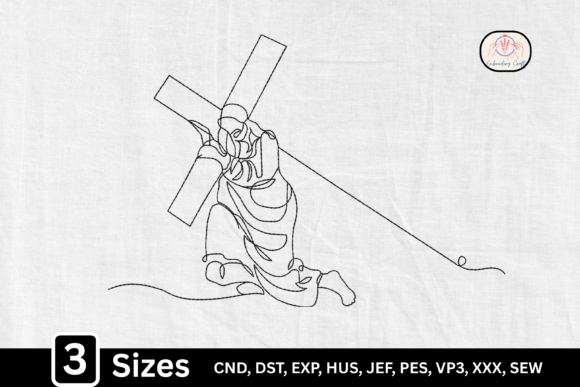
Review: Line Art Jesus Carrying the Cross Design
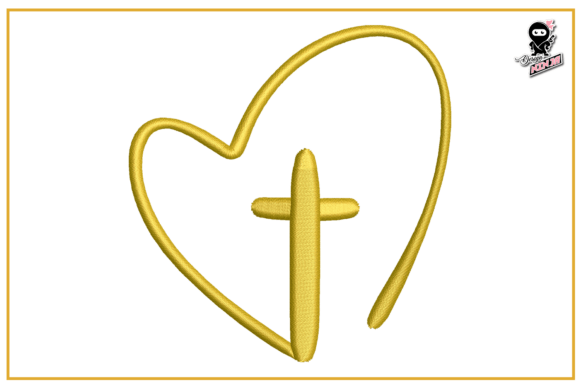
As a designer who has spent years digitizing and testing machine embroidery patterns, I have learned that simplicity is often the hardest style to execute correctly. When I first opened the Line Art Jesus Carrying the Cross file, my immediate reaction was one of relief mixed with cautious curiosity. In a market saturated with overly complex, dense religious motifs, this minimalist continuous-line illustration stands out for its elegance and modern sensibility. It does not scream for attention; instead, it invites a moment of quiet reflection, which is exactly what a piece rooted in Religion Faith should do.
This review is not just about aesthetics. It is about practical application. If you are an Etsy seller, a boutique owner, or a hobbyist looking to create meaningful handmade products, you need to know how this design behaves under the needle. I evaluated this embroidery design with real-world projects in mind, considering everything from fabric texture to stitch density and commercial viability.
First Impressions and Visual Impact
The defining feature of this design is its continuous-line art style. Unlike traditional fill stitch designs that rely on heavy saturation to create shape, this pattern uses a delicate running stitch approach to outline the figure of Christ. This creates a sophisticated, almost sketch-like quality that feels contemporary rather than dated. For small business owners, this is a significant advantage. Modern consumers, especially those buying personalized gifts or custom apparel, are increasingly drawn to minimalist aesthetics that fit seamlessly into current home decor and fashion trends.
The mood created by the layout is solemn yet hopeful. The visual personality is understated, making it versatile. It does not dominate a garment but enhances it. This subtlety is crucial for high-end craft business items where the value lies in the craftsmanship and the message, not just the volume of thread used.
Real-World Application Scenarios
To truly understand the value of this digital embroidery file, I tested it mentally and physically against several common project types. Here is how it performs in specific contexts:
- Sweatshirt Embroidery: This is perhaps the ideal canvas. The soft, slightly textured surface of a fleece or cotton-blend sweatshirt provides enough grip for the running stitches to sit flat without sinking in. Placed on the left chest or centered on the back, it creates a premium look that appeals to buyers seeking subtle faith-based apparel.
- Tote Bag Design: Canvas tote bags are sturdy and handle linear designs well. The contrast of black or dark brown thread against natural canvas makes the line art pop. It transforms a simple grocery bag into a statement piece suitable for church groups, Bible study meetings, or everyday use.
- Baby Embroidery and Nursery Decor: Because the design is gentle and lacks aggressive detailing, it works beautifully on baby blankets or nursery wall hangings. However, care must be taken with hoop size and stabilizer choice to ensure the fabric does not pucker around the delicate lines.
- Embroidered Patch: Creating a patch requires a dense border, but the interior can remain open. This design translates well to a patch format if you add a satin stitch border to contain the edges, making it a great add-on product for jackets or caps.
Technical Considerations for Stitching
While the design is visually stunning, its minimalist nature presents technical challenges that every embroidery designer must address. Since this is primarily a line art piece, it relies heavily on the precision of the running stitch. There is little room for error in tension or registration.
Fabric Texture and Stability: On thin or stretchy fabrics, such as lightweight t-shirts or jersey knits, this design can easily distort if not properly supported. I strongly recommend using a cut-away stabilizer for stretchy materials and a tear-away for woven fabrics like linen or cotton. Without adequate support, the continuous line may appear wavy or uneven, detracting from the professional finish.
Thread Color Contrast: The success of this design hinges on contrast. On dark fabric, use a high-sheen rayon or polyester thread in white, gold, or silver to ensure visibility. On light fabric, deep navy, charcoal, or black threads work best. Avoid low-contrast combinations, such as beige thread on cream fabric, as the intricate details will vanish.
Hoop Size and Placement: Before starting your embroidery project, confirm the hoop size required by the file. While the design is compact, placing it too close to a seam or on a curved surface like a cap can cause distortion. Always test the design on scrap fabric first. This allows you to check stitch density and adjust tension before committing to your final handmade product.
Commercial Viability and Brand Consistency
For commercial embroidery and small shop products, consistency is key. This design offers a high level of professionalism because it avoids the "chunky" look of poorly digitized fills. It enhances brand consistency for sellers who focus on modern, clean aesthetics. When customers see a crisp, well-executed line art design, it builds trust in the quality of your entire store.
Moreover, this design is highly giftability-focused. Whether for holiday embroidery projects, wedding gifts, or personalized items for baptism, the universal recognition of the subject matter combined with the artistic style makes it a safe yet impactful choice. It appeals to a broad audience within the Christian community who appreciate artistry alongside tradition.
Practical Designer Notes
- Test Before Selling: Never assume a digital embroidery file is perfect for every machine. Run a test stitch-out on the same fabric type you plan to sell. Check for thread breaks or bird nests, which can occur in long continuous runs if tension is too tight.
- Check Licensing: Before listing finished items on Etsy or other platforms, verify the license terms provided with the design. Ensure you have the right to use it for commercial embroidery projects.
- Mockup Presentation: When creating printable mockups or digital previews for your online store, show the design on both light and dark backgrounds. This helps customers visualize the contrast and understand the versatility of the product.
- Avoid Dense Areas: If you decide to add text or other elements, keep them separate from the main figure. Crowding the continuous line with additional satin stitch or fill stitch elements can overwhelm the delicate nature of the original artwork.
In conclusion, the Line Art Jesus Carrying the Cross is a thoughtful, well-conceived addition to any designer’s library. It bridges the gap between traditional religious symbolism and modern design trends. For the careful crafter who pays attention to stabilizer choice, thread quality, and fabric preparation, this design offers a pathway to creating high-value, emotionally resonant handmade products. It is not just an embroidery file; it is a tool for storytelling through stitch.