Reviewing the Nativity Machine Embroidery Design
As a designer who has spent years digitizing patterns and testing them on everything from delicate silk to heavy canvas, I approach every new machine embroidery design with a mix of curiosity and caution. The holiday season brings a flood of festive motifs, but few carry the emotional weight and traditional expectation of a nativity scene. When I first loaded the Nativity Machine Embroidery Design into my software, I wasn’t just looking for pretty lines; I was looking for structural integrity, stitch logic, and commercial viability.
This isn’t just about whether the design looks good on a screen. It is about how it translates to thread and fabric in the real world. For Etsy sellers, boutique owners, and hobbyists alike, the difference between a bestseller and a returned item often comes down to the technical execution of the embroidery file. Here is my practical assessment of this set based on real-world application.
First Impressions: Mood and Visual Balance
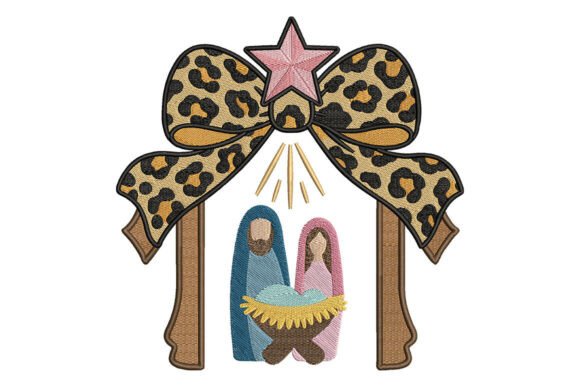
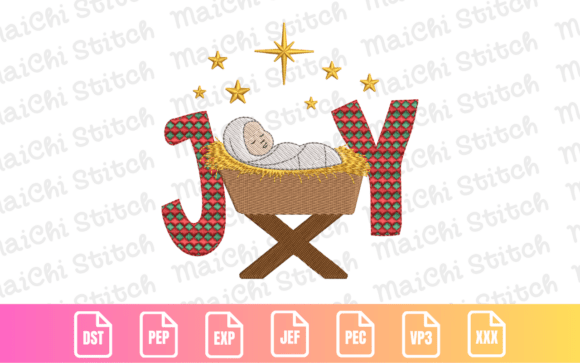
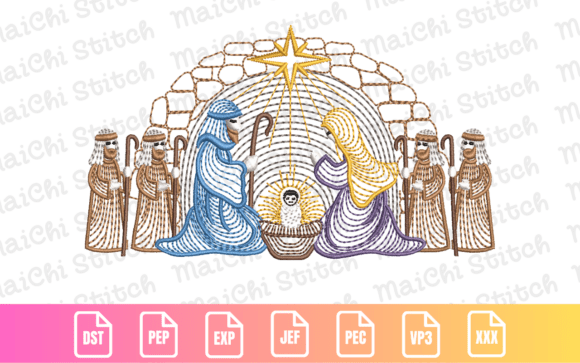
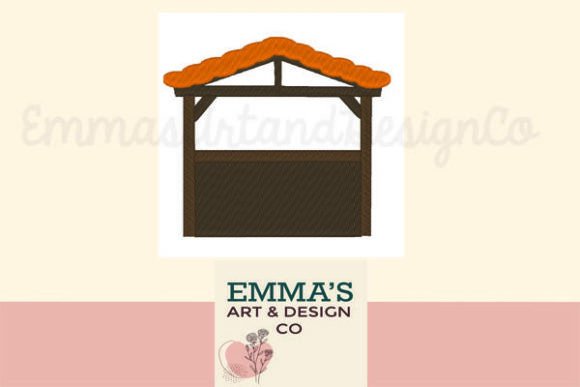
The immediate impression of this Nativity Machine Embroidery Design is one of reverence and calm. In a market saturated with loud, overly complex holiday graphics, this collection stands out for its clarity. The inclusion of Jesus in the manger, Mary, Joseph, and an angel creates a complete narrative tableau. However, from a design perspective, the challenge with multi-character scenes is always density. If the figures are too close together, the stitches merge into a muddy blob. If they are too far apart, the composition feels disjointed.
I appreciated the spacing in this layout. The visual personality leans toward traditional rather than cartoonish, which broadens its appeal. It feels appropriate for heirloom-quality items rather than quick novelty gifts. The level of detail suggests a thoughtful approach to stitch density, balancing fill areas with open space to prevent fabric puckering. This is crucial when you are working with smaller hoop sizes or delicate materials.
Real-World Application: From Screen to Stitch
To truly evaluate a design, you have to imagine it on a product. I mentally placed this Nativity Machine Embroidery Design on several common handmade product categories to see where it would shine.
For custom apparel, such as a cream-colored sweatshirt or a linen apron, the design works beautifully as a central chest piece. The figures have enough definition to be recognized from a distance, which is key for wearable art. I also considered it for a tote bag design. Canvas is forgiving, but the fill stitch areas need to be dense enough to cover the weave without being so thick that they stiffen the bag unnecessarily. Based on the preview, the balance seems right for medium-weight fabrics.
Another strong candidate is baby embroidery. A soft muslin swaddle or a knit onesie requires a gentle touch. If this design utilizes too many satin stitch borders around tiny details, it could feel scratchy against sensitive skin. I recommend checking the underlay settings if you have access to the digitizing notes. For a personalized gift, adding a name below the manger scene could work, provided the lettering is simple and legible. Complex script often fails at small sizes, so keep typography minimal to let the nativity figures remain the focal point.
Fabric Considerations and Technical Challenges
No single digital embroidery file works perfectly on every surface. Here is where you need to exercise professional judgment. While this Nativity Machine Embroidery Design is versatile, it demands respect for fabric texture and stability.
- Stretchy Fabrics: If you are applying this to a knit t-shirt or a baby grow, you must use a cut-away stabilizer. The combined weight of Mary, Joseph, and the angel can cause lightweight knits to warp if not properly supported.
- Dark Fabrics: Contrast is your friend. On dark navy or black fabric, ensure your thread colors are vibrant. You may need to add a white underlay or backing if the design does not already include one, to prevent the fabric color from showing through lighter stitch areas.
- Curved Surfaces: Embroidering this on a cap or hat is risky. The wide horizontal spread of the group might distort on the curved front panel of a baseball cap. I would advise against using the full scene on headwear unless you are using a very large hoop and a specialized cap frame. A single element, like just the star or the angel, might be better for hats.
- Tiny Details: Inspect the faces and hands of the figures. In smaller hoop sizes, these intricate parts can become lost. Always run a test stitch on scrap fabric identical to your final material before committing to the final finished product.
Commercial Viability for Craft Businesses
For small shop product creators and craft business owners, this design offers strong potential for holiday embroidery collections. It fits seamlessly into commercial embroidery projects such as kitchen towels, pillow covers, and wall hangings. The timeless nature of the subject matter means it doesn’t feel dated after one season, allowing you to sell it year after year.
When creating printable mockup images for your online store, remember that lighting affects how embroidery is perceived. Satin stitches reflect light differently than fill stitches. Showcasing the texture in your photos builds customer trust. Buyers want to see the quality of the stitch density and the cleanliness of the jump stitches. A well-executed Nativity Machine Embroidery Design elevates the perceived value of your brand, signaling professionalism and attention to detail.
However, always verify the license terms. Just because a design is beautiful doesn’t mean it is free for unlimited commercial use. Confirm whether you can sell the embroidered patch or the sweatshirt embroidery as a physical item, and whether you are allowed to use the image in digital marketing assets. Protecting your design assets and respecting intellectual property is part of running a sustainable creative enterprise.
Final Designer Notes
Before you launch into production, take these practical steps:
- Test on Scrap: Never skip this step. Check for thread breaks and tension issues.
- Check Hoop Size: Ensure your machine’s hoop can accommodate the full width of the scene without re-hooping, which can cause alignment errors.
- Thread Selection: Use high-quality rayon or polyester threads. Cheap thread can break during dense fill areas, ruining the look of the angel’s wings or the robes.
- Mockup in Black and White: Convert your preview to grayscale to check for contrast issues. If the figures blend into the background in black and white, they might lack definition in low-light settings.
In conclusion, the Nativity Machine Embroidery Design is a solid addition to any holiday library. It balances aesthetic beauty with technical practicality, making it suitable for a wide range of embroidery project types. By understanding its limitations and leveraging its strengths, you can create stunning, high-value items that resonate with customers seeking meaningful, handcrafted decor and apparel.