Jesus Christian Cross: A Designer’s Craft Fair Review
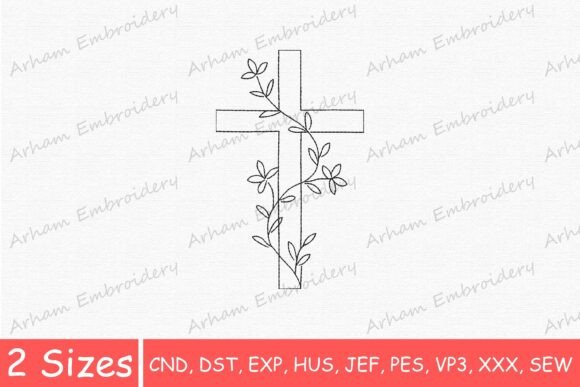
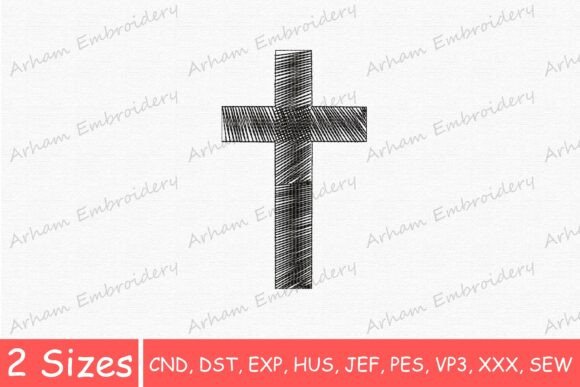
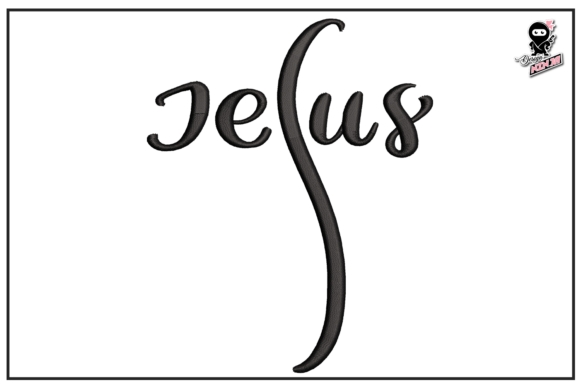
As an embroidery designer who has spent countless weekends behind a booth table, I know that not every design translates equally well from the screen to the sales floor. When I first loaded the Jesus Christian Cross file into my software, I was looking for more than just aesthetic appeal; I was evaluating its potential as a high-converting craft fair product. This elegant Christian embroidery design features a cross symbolizing faith and devotion, positioning it perfectly for church decor, religious gifts, and faith-based projects. For those of us running small shops or Etsy stores, understanding how this specific motif performs in the real world is crucial for maximizing return on investment.
First Impressions and Visual Appeal
The immediate impression of the Jesus Christian Cross is one of refined simplicity. In a market saturated with overly complex or novelty graphics, this design stands out for its clean lines and spiritual weight. It does not scream for attention with neon colors or chaotic shapes; instead, it invites a moment of reflection. This makes it ideal for customers seeking meaningful, understated elegance. Whether you are aiming for a modern minimalist vibe or a traditional rustic look, this design adapts seamlessly. The description notes that it comes with multiple formats, which is essential for versatility, but the visual impact relies heavily on how you choose to present it.
For a handmade product line focused on Religion Faith, this design serves as a strong anchor. It feels premium rather than cheap, which allows you to price your finished goods higher. When displayed on a booth table, items featuring this cross tend to draw in buyers who are specifically looking for quality religious items, rather than impulse buyers looking for quirky slogans. This targeted appeal can lead to higher conversion rates and more loyal customers who appreciate the reverence of the design.
Product Applications and Market Fit
To determine the best use for this machine embroidery design, I mentally staged it across various popular items. Here is where the Jesus Christian Cross truly shines:
- Tote Bags and Market Bags: A large-scale version of this design works beautifully on canvas tote bags. The sturdy fabric provides a stable base for the stitches, and the vertical nature of the cross complements the bag's shape. It transforms a simple grocery bag into a statement of faith, making it a top seller for church groups and everyday believers.
- Apron Embroidery: Placing the cross on the bib of a kitchen apron creates a heartfelt gift for grandmothers, pastors’ wives, or anyone who views hospitality as a ministry. The design remains clear even when viewed from a distance, which is key for apparel.
- Tea Towel Embroidery: For a more delicate touch, this design looks exquisite on linen tea towels. However, care must be taken with fabric texture. A smooth linen allows the details to pop, whereas a waffle-weave towel might obscure finer points of the cross.
- Embroidered Patches: Creating iron-on or sew-on patches is a fantastic way to utilize this design for caps and jackets. Patches allow customers to customize their own items, expanding your product range without needing to embroider directly onto difficult surfaces.
- Pillow Covers: A centered cross on a neutral-toned pillow cover adds a serene focal point to living room decor. This appeals to customers looking for subtle ways to incorporate their faith into home aesthetics.
While the design is versatile, it is less effective on items with excessive seams or irregular curves, such as fitted caps, unless you are using a pre-made patch. Direct embroidery on curved surfaces can cause distortion, so sticking to flat panels or using patches is the safer route for maintaining the integrity of the cross.
Production Practicality and Stitch Quality
From a production standpoint, the Jesus Christian Cross appears to be a reliable choice for batch production. One of the biggest challenges at craft fairs is keeping up with demand while maintaining quality. This design seems to balance detail with efficiency. However, there are critical technical factors to consider before you start stitching your inventory.
First, evaluate the stitch density. If the design is too dense, it can cause puckering, especially on lighter fabrics like cotton tees or thin linen. Conversely, if it is too sparse, the underlying fabric might show through, particularly on dark materials. I strongly advise testing the design on scrap fabric that matches your final product material. Check how the thread colors interact with the fabric. Classic gold or silver threads on black or navy fabric create a luxurious, high-contrast look that sells well, while white thread on natural linen offers a soft, farmhouse aesthetic.
Another crucial element is the stabilizer. For items like tote bags and aprons, a cut-away stabilizer often provides the necessary support to keep the design crisp after washing. For tea towels, a tear-away might suffice, but always test for residue. Since the product description mentions it is perfect for church decor and religious gifts, durability is key. Customers expect these items to last, so ensuring the embroidery does not unravel or pucker after laundering is non-negotiable.
Sales Strategy and Branding
For Etsy sellers and boutique makers, the Jesus Christian Cross offers excellent opportunities for branding. Because the design is elegant and timeless, it fits well within a cohesive brand identity focused on quality and faith. When creating your online listings, use high-quality photos that highlight the texture of the stitches. A printable mockup can help visualize the design on different products, but nothing replaces a photo of the actual finished product in natural light.
In a physical booth setting, group items featuring this design together to create a dedicated "Faith Collection." This helps customers quickly identify products that align with their values. Use signage that emphasizes the meaning behind the cross—symbolizing faith and devotion—to connect emotionally with buyers. Emotional connections drive sales in the handmade market.
Additionally, consider offering customization. While the cross itself is powerful, adding a monogram or a short scripture verse nearby (if the hoop size allows) can increase the perceived value. However, ensure that any added text is large enough to be legible. Tiny lettering often gets lost in embroidery and can frustrate customers who expect clarity.
Important Technical Notes for Designers
Before committing to large-scale production, keep these practical notes in mind:
- Check File Details: The description states the design comes with multiple formats, but it does not specify exact stitch counts or recommended hoop sizes. Always open the file in your embroidery software to verify these details. Ensure the design fits your standard hoops to avoid unnecessary re-hooping time.
- Commercial Licensing: Confirm the license terms included with the digital embroidery file. Most designers allow the sale of finished physical products, but restrictions may apply to sharing the file itself. Never distribute the embroidery file to customers; only sell the stitched items.
- Fabric Contrast: Test the design on both light and dark fabrics. Some designs rely on specific thread weights to maintain visibility. If the cross has fine details, avoid highly textured fabrics like heavy burlap, which can swallow the stitches.
- Mockups and Samples: Create at least one real sample for your booth display. Customers want to touch and feel the quality. A well-stitched sample builds trust and demonstrates your skill as a creator.
In conclusion, the Jesus Christian Cross is a strong contender for any embroidery business focusing on faith-based markets. Its elegance, versatility, and emotional resonance make it a valuable asset for tote bags, aprons, and home decor. By paying attention to technical details like stabilizer choice and thread contrast, you can ensure that each item meets the high standards expected by your customers. Whether you are selling at a local craft fair or online, this design has the potential to become a staple in your product lineup, offering both spiritual meaning and commercial success.