Review: Jesus is Life Christian Embroidery for Craft Fairs
As an embroidery designer who has spent countless hours behind the hoop and even more time standing behind a booth table at weekend markets, I know that not every design translates into a bestseller. When I first pulled up the Jesus is Life Christian Embroidery file on my digitizing software, my immediate goal was to determine its viability for high-traffic retail environments. This isn’t just about whether the stitches look clean; it is about whether the message resonates instantly with a passerby and whether the production process is efficient enough for a small business owner.
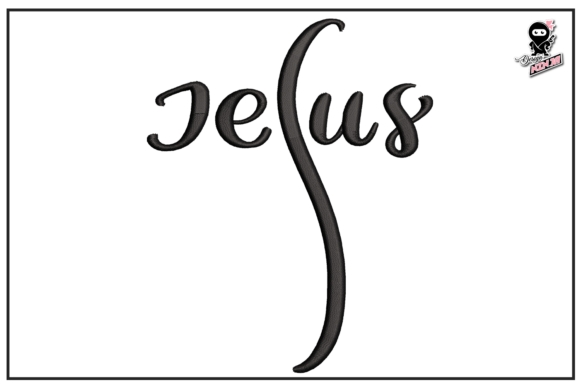
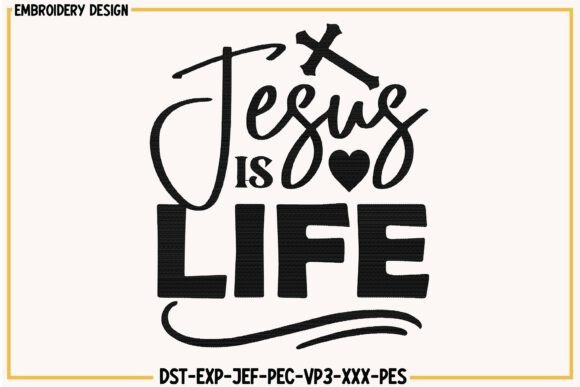
The first impression of this design is one of bold clarity. In the crowded visual landscape of a craft fair, you have seconds to capture attention. This design does not rely on overly intricate, tiny details that get lost from three feet away. Instead, it offers a strong, declarative statement that fits perfectly within the current trend of faith-based home decor and wearable ministry. It feels modern yet timeless, avoiding the overly rustic or excessively ornate styles that can sometimes limit a product’s appeal. For the Etsy seller or boutique maker, this versatility is crucial.
Product Versatility and Market Appeal
The true test of any machine embroidery design is how well it adapts across different substrates. I mentally placed this design on several key items I typically stock for holiday markets and church bazaars. The most obvious application is the tote bag. A canvas tote featuring Jesus is Life Christian Embroidery serves as both a functional item and a walking testimony. The design’s scale appears ideal for a standard 10x10 or 12x12 hoop, making it a focal point without overwhelming the fabric.
Beyond bags, consider the kitchen sector. Apron embroidery is a massive niche for handmade gifts. Placing this design on the bib of a sturdy cotton apron creates a piece that is both practical for cooking and spiritually uplifting. Similarly, tea towel embroidery benefits from designs that are legible and impactful. However, one must be cautious with textured fabrics. If you are using waffle-weave towels, ensure your stitch density is adjusted so the text remains crisp and does not sink into the texture.
For those looking to create smaller impulse buys, an embroidered patch is an excellent option. Patches are low-risk purchases for customers who might not want to commit to a larger item. This design, with its clear lines, should digitize well into a merrowed-edge or satin-border patch. It also works beautifully on caps, provided you account for the curved surface. Caps require precise underlay and pull compensation to prevent the lettering from distorting, but the payoff is a high-margin craft fair product that appeals to a wide demographic.
Production Efficiency and Batch Selling
From a business perspective, time is money. When evaluating a digital embroidery file, I look for repeatability. Can I run this design ten times in a row with minimal trimming and color changes? While I do not have the exact stitch count or thread chart in front of me, the visual simplicity suggests a manageable run time. For a small shop product, you want designs that do not tie up your machine for hours unless the price point justifies it.
This design appears to strike a balance between detail and speed. It is likely suitable for batch production, allowing you to prepare inventory ahead of peak seasons like Easter, Christmas, or Mother’s Day. When creating listings for your online store, remember that this design photographs well. High-contrast thread colors against neutral fabrics like white, cream, or navy will pop in digital photos, increasing click-through rates for your Etsy seller profile.
However, practical selling points extend beyond the machine. Consider how this design enhances your booth display. A stack of folded towels with this embroidery visible creates a cohesive look. It signals brand consistency. When customers see multiple items featuring the same strong message, it reinforces the quality and intentionality of your handmade product line.
Technical Considerations and Careful Use
While the design is strong, successful execution requires technical diligence. Before launching this as a commercial embroidery product, you must address several potential pitfalls. First, always test the design on scrap fabric identical to your final product. Fabric tension and texture vary wildly between a poly-cotton blend cap and a linen pillow cover.
Pay close attention to stabilizer choice. For stretchy fabrics like jersey tees or thin tote materials, a cut-away stabilizer is often necessary to prevent puckering around the lettering. For woven fabrics like aprons, a tear-away may suffice, but testing is non-negotiable. If the design includes small lettering or fine details, verify that they remain legible at smaller sizes. If you plan to shrink the design for a pocket placement or a small pouch, ensure the text does not become illegible blob of thread.
Dark fabrics present another challenge. If you intend to embroider on black or navy, you may need to adjust your thread palette for maximum contrast. White or gold threads often work best for faith-based designs on dark backgrounds, but ensure your digitizing includes proper underlay to prevent the fabric color from showing through the satin stitches.
Maximizing Value and Customer Engagement
The emotional connection is what sells faith-based items. Jesus is Life Christian Embroidery is not just a pattern; it is a statement of identity. Customers buy these items to express their values. Therefore, the quality of the finished stitch-out must reflect that reverence. Sloppy tension or loose threads detract from the message. Ensure your hoop size is appropriate to keep the design centered and taut.
To maximize sales, create a printable mockup or a high-quality photo series showing the design in use. Show it on a tote bag being carried, on an apron in a kitchen, and on a pillow in a living room. These design assets help customers visualize the product in their own lives. Additionally, always confirm the commercial licensing terms of the embroidery file before selling finished products. Most designers allow physical sales but restrict the resale of the digital file itself.
In conclusion, this design holds significant promise for the creative entrepreneur. It is versatile, emotionally resonant, and practically scalable. By paying attention to fabric choice, stabilizer selection, and presentation, you can turn this digital asset into a cornerstone of your Religion Faith category offerings. Whether you are a seasoned embroidery professional or a new crafter, this design offers a solid foundation for building a meaningful and profitable product line.